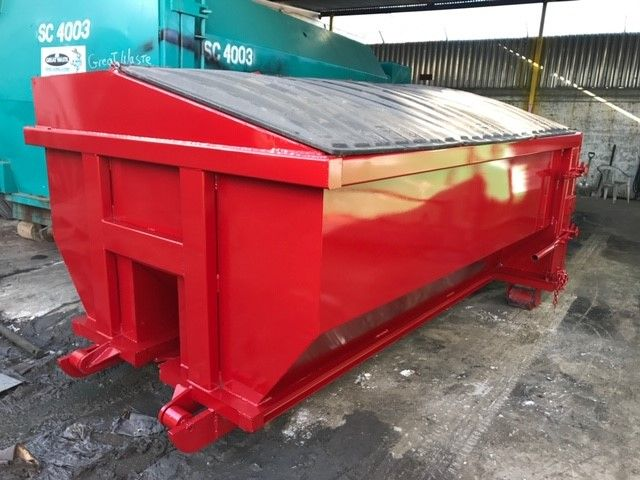
For anything from a construction job, commercial renovation, property cleanout, to a massive demolition project, careful preparation can help make your waste removal experience go more smoothly and cost-effectively.
Taking a few steps to prepare your site before the dumpster delivery date will help prevent any potential delays, improve job site safety, and make your waste removal process work for you from the start.
Proper preparation and planning is the foundation of any successful project, which is why we at RMS Dumpsters & Services LLC want to make sure you can get the most out of your commercial roll off dumpster rental.
Select the Proper Site Location for the Dumpster
The dumpster placement will affect how smooth your project runs so, this step should not be taken lightly. A dumpster that you select should be located in a place where it can be accessed easily by your delivery drivers and one which will ensure that your workers can make use of the dumpster in your project without making logistics impossible. The following factors are some of those that you should consider:
Choose a surface that’s stable: Concrete, asphalt, or compact gravel so the dumpster does not sink into or slide around while it’s full.
Make sure it’s accessible to the delivery truck: Make sure there is plenty of space available for the delivery truck to maneuver past any power lines, vehicles, or overhanging branches.
Keep it close to where it will be used: Do not forget to position it conveniently close to where the waste will be coming from.
If your project will require placing the dumpster on public property such as a street or sidewalk, then remember to check for the permit that is required in your local jurisdiction prior to booking.
See also: Signs of Flexible Hose Wear You Should Not Ignore
Ensure Clear Area Before Delivery
It is important to ensure that at the time of delivery of the dumpster to your site, there is enough space and easy access. It is best to move construction materials, equipment, vehicles or other items out of the way prior to delivery so that there are no possible delays due to anything.
Make sure all other contractors know about the delivery time. Cover any paved surfaces (this might be necessary if you are worried about damage to these areas). Guide the delivery driver on where exactly he should leave the dumpster using cones or paint.
Formulate Your Waste Disposal Strategy
It is very important to have an effective waste disposal strategy before you fill your dumpster up with trash. Some best practices for the team to follow include:
Segregate recyclables: Keep items like cardboard, metal, and wood separated for recycling to save costs.
Evenly distribute weight: Help your container remain balanced and stable to minimize potential issues during transport.
Separate prohibited materials: Avoid putting things like paint, batteries, certain electronics, or hazardous materials in the dumpster.
By having a plan in place you can also avoid overloading your commercial roll off dumpster and create a better overall waste disposal system. Remember, you should never load anything in a dumpster so that it extends above the rim.
Ensure Job Site Safety
It should come as no surprise that safety should always be the top priority when it comes to construction jobs, demolition sites, and other messy commercial operations. Working around a commercial roll off dumpster means that workers are likely hauling and discarding large and sometimes sharp materials so, ensure the area is safe to operate in.
Keep good visibility: If forklifts and other machinery are to be operated close to the dumpster, traffic patterns should be established to maintain visibility and avoid accidents.
Wear proper PPE: The workers who will be working with the waste need to wear the proper personal protective equipment such as safety glasses, hard hats, steel-toed boots and gloves.
Keep walkway clear: Trips and falls can be avoided if one ensures that there are no loose items or debris around the area where the dumpster is to be used.
Inspect the area daily: Every day, at the end of the day, it is important to inspect the area around the dumpster and remove any object that may pose risk for the next workday.
Discuss the Plan With Your Crew
Good communication will ensure the smooth operation of your work site and help avoid delays. Before starting any projects, you should inform all participants about the location of the dumpster and the types of materials you can dispose of.
Making someone responsible for the process of waste disposal will help prevent people from throwing banned items inside the dumpster. During crew meetings, you can constantly remind everyone about their obligations and thus maintain good practices.
Schedule Pick Up and Monitor Dumpster Usage
A final and crucial step to the successful use of your commercial dumpster rental is scheduling timely pick-up and ongoing monitoring of the dumpster throughout the duration of your project.
Once your dumpster starts filling up – particularly in demolition, cleanout, and construction jobs, waste accumulation can happen at an extremely fast pace – keep a close eye on its fill level.
An overflowing dumpster, or a full dumpster that is scheduled to stay until the end of the project, will not only impede workflow but could lead to extra charges and project delays. One team member could be put in charge of overseeing the dumpster throughout the project.
This will help the team be mindful of what is being disposed of, help avoid prohibited items, and make coordinating with the dumpster rental company for a pick up or swap easy and efficient.
Conclusion
The process of planning where your commercial dumpster will be placed in relation to your job site is an extremely easy thing to do, but one that has a huge impact on how efficient the entire project goes. If you plan where the dumpster should go, prepare the job site for delivery, create a plan for disposal of garbage, take care of the safety aspects of the dumpster, and track its use.