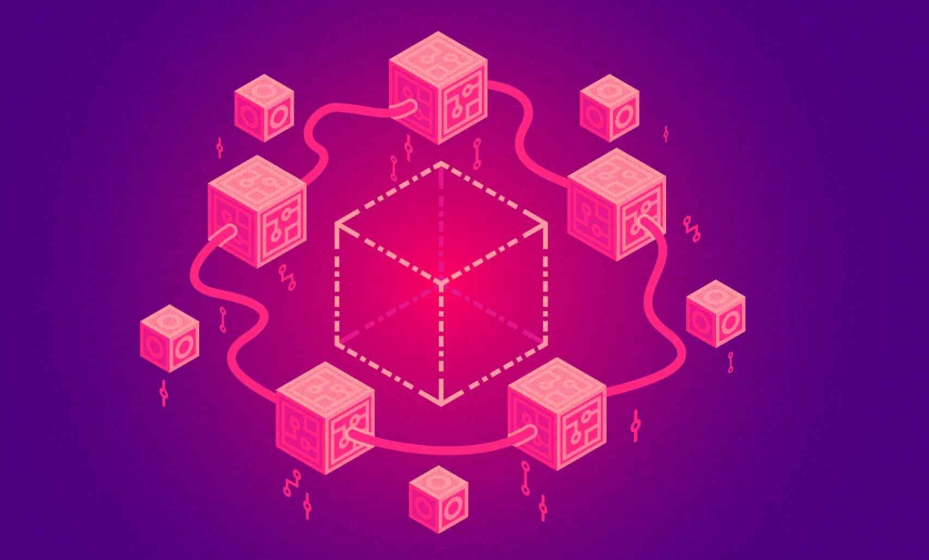
Decentralization in cryptocurrency distributes authority across a network rather than a single intermediary. It relies on blockchain, consensus mechanisms, and smart contracts to enable autonomous operation and trust minimization. Metrics quantify participation, influence, and governance signals that reflect transparency and responsiveness. The result is modular resilience and open governance structures that shape value flows for users, developers, and investors. The implications for control, risk, and interoperability remain nuanced, inviting careful examination as systems evolve.
Defining Decentralization in Crypto: Core Concepts and Signals
Decentralization in cryptocurrency refers to the distribution of authority, decision-making, and control away from a central intermediary toward a network of participants. This analysis identifies core concepts as structures, processes, and standards that enable autonomous operation.
Decentralization metrics quantify participation and influence, while governance signals reflect emergent consensus, transparency, and timely responsiveness. Together, they illuminate resilience, modularity, and sustainable alignment with freedom-oriented network design.
See also; What Is Cryptocurrency and How Does It Work?
Decentralized vs Centralized Finance: What Changes for You
The shift from decentralized to centralized finance is marked by a concentration of control over access, settlement, and risk management within a single or a limited number of intermediaries, contrasting with autonomous, multi-party networks. This analysis evaluates consumer-facing implications, emphasizing accountability, transparency, and risk posture.
It weighs decentralization ethics, governance mechanics, accessibility trade-offs, and resilience against single-point failures without dwelling on underlying technologies.
Technologies Behind Crypto Decentralization: Blockchain, Consensus, Smart Contracts
Blockchain, consensus mechanisms, and smart contracts form the core technical trio that enables crypto decentralization. This architecture distributes trust, codifies rules, and executes verifiable operations without intermediaries.
Blockchain immutability supports auditability; consensus ensures agreement under adversarial conditions.
Smart contracts automate governance and incentives, including JavaScript governance interfaces and tokenomics incentives, aligning participant behavior with system integrity while preserving individual freedom in a trustless environment.
What Decentralization Means for Users, Developers, and Investors
For users, developers, and investors, decentralization translates into differentiated risk profiles, governance participation, and capital efficiency, rather than mere technology.
The analysis focuses on how autonomy shifts control from centralized actors to interoperable protocols, reducing single points of failure.
A user gains verifiable rights; an investor observes transparent incentives.
Technical feasibility, open governance, and liquid markets determine sustainable value rather than hype.
Conclusion
Decentralization in cryptocurrency embodies distributed authority, transparency, and code-driven governance. It shifts risk from a single intermediary to a network of participants, enabled by blockchain, consensus mechanisms, and smart contracts. Compared with centralized finance, it reshapes control, incentives, and resilience. A apt metaphor: like a coral reef, diverse actors collectively sustain the ecosystem; a single failed node rarely cripples the system. Data point: many networks err on the side of permissionless participation, reinforcing open, auditable governance.