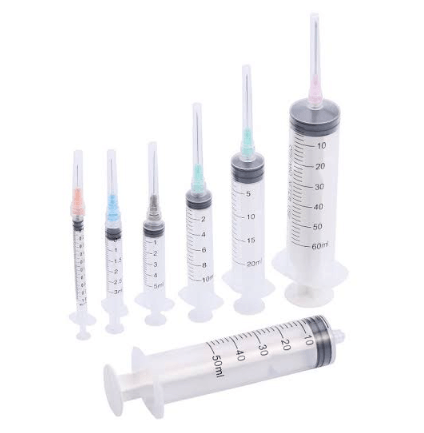
Different hospital departments lean on very different syringe types, shaped by the pace and precision each specialty demands. Rather than listing syringes in isolation, it helps to see how types of syringes and uses line up in real departments, from the ICU to outpatient clinics.
Emergency Departments
Speed and reliability drive syringe choice in the ED. Prefilled syringes for emergency drugs like epinephrine save critical seconds, while Luer lock syringes handle IV push medications where a secure connection matters under pressure.
Pediatrics
Small patients need small, precise doses. Low-dose oral syringes marked in fine increments help caregivers measure liquid medication accurately at home, while pediatric-specific needle gauges reduce discomfort during vaccinations.
See also: How Technology Is Transforming Business Communication Strategies
Surgical Suites
Surgeons and anesthesiologists often rely on larger syringes for irrigation and local anesthetic delivery, alongside tuberculin-style syringes for extremely fine intraoperative dosing.
Home Care and Chronic Disease Management
Patients managing diabetes or requiring long-term injections at home benefit from ergonomic, easy-grip syringes designed for repeated self-administration, often paired with retractable safety needles.
Laboratory and Diagnostic Settings
Blood draw syringes prioritize a smooth plunger pull to avoid hemolysis, while glass syringes still show up in certain lab workflows involving solvents incompatible with plastic.
Additional Resource
A closer look at types of syringes and uses shows how these categories overlap and where departments can consolidate their ordering without sacrificing safety.
Frequently Asked Questions
Do all departments need the same syringe sizes?
No, needs vary widely. Pediatrics generally requires smaller, finer increments, while surgical and ICU settings often need larger volumes and locking connections.
Why do emergency departments favor prefilled syringes?
Prefilled syringes cut down preparation time during time-critical events, reducing the chance of dosing errors under pressure.
Is it worth standardizing syringe types across a whole hospital?
Partial standardization can reduce costs and training time, but departments with specialized needs should still keep dedicated stock for safety.
Conclusion
Matching syringe type to department need isn’t a minor logistics detail; it shapes speed, accuracy, and safety in every corner of a facility. Procurement teams that understand these department-level differences are better positioned to stock smart rather than stock generically.