Anyone who has worked on a residential or commercial exterior project knows that trim work is often where quality becomes most visible. Fascia, soffits, window wraps, and gutter systems all depend on material that holds its finish, resists corrosion, and can be formed cleanly on site. This is why selecting the right aluminum trim coil supplier is a decision that deserves more attention than it typically receives.
Why Trim Coil Quality Is Easy to Overlook Until It Fails
Trim coil sits at an unusual intersection in construction materials. It is functional, protecting underlying structures from moisture and weather, but it is also highly visible, often forming the finished edge that homeowners and building occupants see every day. When coil quality is poor, the problems rarely show up immediately. Instead, they appear months or years later, as chalking, fading, or coating delamination that gradually makes an otherwise well-built structure look neglected.
This delayed feedback loop is exactly why sourcing decisions matter so much. A slightly cheaper coil that fails prematurely can end up costing far more in callbacks, warranty disputes, and reputational damage than the modest savings were worth at purchase time.
Key Factors That Distinguish a Reliable Supplier
Several characteristics separate dependable suppliers from those simply moving volume without much regard for consistency. Alloy composition is one of the most fundamental, since different aluminum alloys offer different balances of formability and strength, which directly affects how easily the coil can be bent or roll-formed without cracking.
Coating quality is equally critical. Suppliers using higher-grade paint systems with proper pretreatment processes tend to produce coil that resists fading and chalking far longer than lower-cost alternatives. Gauge consistency across a coil run also matters more than many buyers realize, since even small variations can cause visible waviness once the material is installed.
The Value of Working With an Established, Responsive Supplier
Beyond the physical properties of the material itself, the working relationship with a supplier can significantly affect how smoothly a project runs. Suppliers who can provide consistent lead times, accurate color matching across separate orders, and clear technical support when questions arise about forming or installation tend to reduce friction considerably compared to suppliers who treat every order as a one-off transaction.
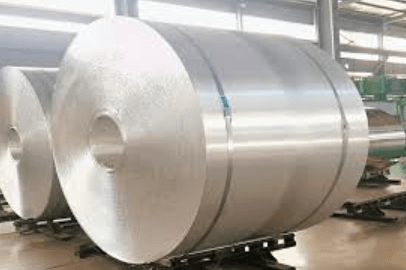
For contractors and fabricators evaluating options, it helps to look at suppliers who specialize specifically in coil products rather than treating them as a minor line item within a broader metals catalog. A dedicated aluminum trim coil supplier with production capability focused on this category is often better positioned to maintain the consistency that trim work demands.
Matching Coil Specifications to Application
Not every project requires the same coil specification. A coastal property exposed to salt air needs a different coating and alloy profile than an inland commercial building, and roofing trim in a region with heavy snow load has different performance demands than trim in a hot, dry climate. Discussing the specific application with a supplier before ordering, rather than defaulting to a standard product, often results in a better long-term outcome.
Practical Considerations for Bulk Ordering
For larger projects, ordering in bulk raises additional considerations beyond material quality. Color consistency across multiple coil runs can be a genuine challenge if orders are placed separately over time, so it is often worth requesting that an entire project’s coil needs be produced from the same production batch where possible. Storage conditions also matter, since improperly stored coil can develop surface issues even before it reaches the job site.
See also: How Technology Is Transforming Business Communication Strategies
Frequently Asked Questions
How do I know if a trim coil supplier’s coating quality is actually good?
Ask for the specific coating system used, along with any warranty documentation on fade and chalk resistance, and request samples that have been exposed to weathering if available.
Does alloy type really make a noticeable difference during installation?
Yes. Alloys with better formability reduce the risk of cracking during tight bends, which is particularly important for detailed trim work around windows and corners.
Is it better to order all trim coil for a project from one supplier?
Generally yes, primarily to maintain color and gauge consistency, which becomes especially noticeable on larger buildings where mismatched panels are easy to spot.
Final Thoughts
Trim coil may seem like a minor line item compared to structural materials, but its visible role in a finished building means quality shortcuts rarely go unnoticed for long. Partnering with a supplier who understands both the technical and aesthetic demands of the material tends to pay off well beyond the initial purchase.