For many Hong Kong households, navigating the city’s fast-paced lifestyle while still putting a good meal on the table means relying on smart grocery choices, and frozen beef has become an increasingly popular solution for busy home cooks who want quality protein without daily trips to a wet market or butcher.
Why Frozen Beef Makes Sense for Hong Kong Living
Hong Kong’s compact living spaces and demanding work schedules mean that stocking up on groceries efficiently matters considerably more than it might in places with larger homes and more leisurely shopping routines. Frozen beef offers a practical solution, allowing households to keep a reliable protein source on hand without the pressure of using fresh meat within a day or two of purchase, fitting naturally into the batch-shopping habits many Hong Kong families have adopted.
Quality Considerations When Selecting Frozen Beef
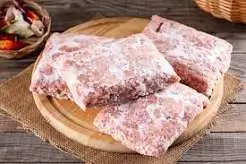
Modern freezing technology has largely closed the quality gap that once existed between fresh and frozen meat, with properly flash-frozen beef retaining much of its original texture, flavor, and nutritional value when handled correctly from the point of freezing through eventual thawing and cooking. Shoppers browsing frozen beef hong kong options should look for products that specify their freezing method and sourcing origin, since this information provides meaningful insight into the product’s likely quality and handling standards.
Understanding Different Beef Grades and Cuts Available
Hong Kong’s frozen beef market typically offers a range of cuts suited to different cooking methods, from thinly sliced options popular for hotpot and stir-fry dishes to thicker cuts appropriate for grilling or slow cooking. Understanding which cut suits your intended cooking method helps ensure satisfying results, since a cut well suited to quick high-heat cooking may disappoint if used for a slow-braised dish, and vice versa.
Convenience of Online Frozen Beef Ordering
The growing availability of online grocery platforms specializing in frozen meat has made sourcing quality frozen beef considerably more convenient for Hong Kong residents, allowing households to browse selections, compare cuts, and arrange delivery without needing to visit a physical store, a meaningful convenience advantage for busy professionals and families managing tight schedules.
Storage Practices for Maintaining Quality
Once frozen beef arrives home, proper storage practices help preserve its quality until you’re ready to cook, including maintaining consistent freezer temperature and avoiding repeated thawing and refreezing cycles that can degrade texture and increase food safety risk over multiple temperature fluctuations.
Planning Meals Around Frozen Beef Availability
Having a reliable stock of frozen beef on hand supports more flexible meal planning, allowing households to decide on dinner options without needing same-day grocery trips, particularly valuable for Hong Kong families balancing demanding work schedules with the desire to prepare home-cooked meals rather than relying entirely on takeout or dining out.
See also: How Technology Is Transforming Business Communication Strategies
Building Confidence in Frozen Beef Quality
Many home cooks who haven’t extensively used frozen beef before may carry outdated assumptions about quality compromises, making it worthwhile to try reputable suppliers and compare results directly, often discovering that well-sourced, properly frozen beef delivers cooking results very close to fresh alternatives.
Conclusion
Frozen beef offers Hong Kong home cooks a practical, quality-conscious way to keep good protein on hand without the constraints of frequent fresh meat shopping. Understanding sourcing, cut selection, and proper storage helps households make the most of this convenient option while still achieving satisfying meal results.
FAQs
Q1: Does frozen beef taste different from fresh beef? When properly flash-frozen and handled correctly, quality frozen beef retains much of its original flavor and texture, with modern freezing technology largely closing the gap that once existed between fresh and frozen options.
Q2: What should I look for when choosing frozen beef cuts? Consider your intended cooking method, since cuts suited to quick high-heat cooking differ from those better suited to slow braising, and check sourcing and freezing method information when available.
Q3: How should frozen beef be stored at home? Maintain consistent freezer temperature and avoid repeated thawing and refreezing cycles, which can degrade texture and increase food safety concerns over multiple temperature changes.