Sourcing rifle scopes for a retail brand, distribution business, or private label venture requires more due diligence than simply comparing catalog prices between suppliers. Choosing the right rifle scope factory can determine whether a product line succeeds in the market or generates costly returns and damaged customer trust.
Understanding the Manufacturing Landscape
Factory-Direct Versus Trading Company Sourcing
Buyers new to the optics industry sometimes struggle to distinguish between manufacturers who operate their own production facilities and trading companies that source from multiple third-party factories. Working directly with a factory typically offers greater quality control, more transparent pricing, and faster resolution of production issues.
Why Vertical Integration Matters
A rifle scope factory that handles machining, lens grinding, coating, and assembly internally has significantly more control over quality consistency than one that outsources various stages to different subcontractors. This integration reduces the risk of miscommunication and inconsistent standards across the production chain.
Key Capabilities to Look For
CNC Machining Precision
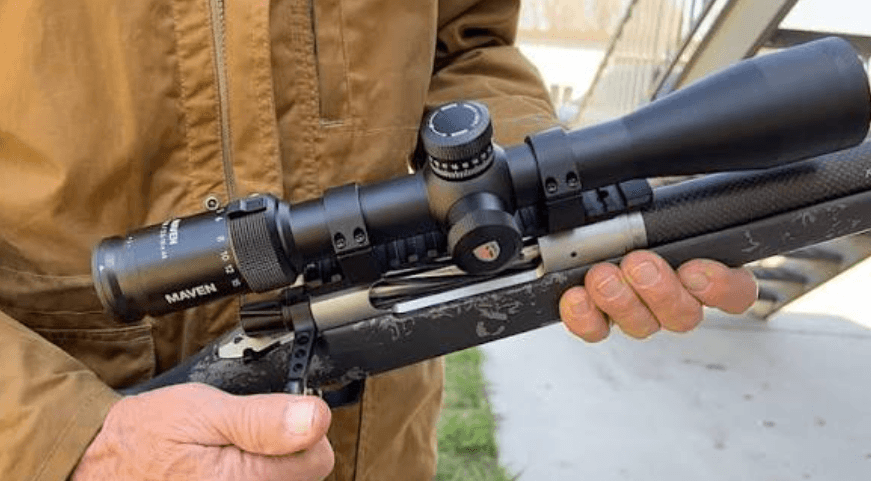
The metal housings that protect internal lens systems must be machined to extremely tight tolerances. A factory equipped with modern CNC machinery is better positioned to maintain dimensional accuracy across thousands of units, which directly impacts waterproofing integrity and adjustment mechanism reliability.
Lens Coating Technology
Anti-reflective and light-transmission coatings significantly affect image brightness and clarity, particularly in low-light hunting conditions. Factories that maintain in-house coating capabilities, rather than relying on external suppliers, typically offer more consistent optical performance across product batches.
Nitrogen Purging and Sealing Systems
Fog-proof and waterproof performance depends heavily on proper nitrogen purging during assembly and reliable O-ring sealing at every joint. A factory with dedicated environmental testing equipment can verify these characteristics before products ship, rather than leaving quality assurance to chance.
Questions to Ask Potential Suppliers
Production Capacity and Lead Times
Understanding a factory’s realistic production capacity helps buyers plan inventory and avoid stockouts during peak selling seasons. Suppliers who provide vague or inconsistent answers regarding capacity may struggle to meet demand once order volumes increase.
Quality Control Documentation
Established factories typically maintain detailed quality control records, including inspection reports and testing data for each production batch. Requesting sample documentation before placing a large order can reveal a great deal about a factory’s actual quality management practices.
Customization and OEM Support
Buyers planning to sell under their own brand name should confirm whether the factory offers OEM services, including custom logo engraving, packaging design, and potential product modifications tailored to specific market requirements.
Detailed information regarding available rifle scope manufacturing capabilities can be found through rifle scope factory resources, which outline production processes and product offerings for prospective buyers.
Red Flags to Watch For
Unrealistically Low Pricing
While competitive pricing is important, prices significantly below market average often indicate corners being cut somewhere in the production process, whether through inferior glass quality, thinner housing walls, or inadequate waterproofing measures.
Reluctance to Provide Samples
Reputable factories generally welcome requests for product samples before large orders are placed. Hesitation or excessive delays in providing samples may signal underlying quality or capacity issues worth investigating further.
Building a Long-Term Sourcing Relationship
Communication Consistency
Manufacturing partnerships that succeed over the long term typically depend on consistent, responsive communication throughout the production and shipping process, not just during the initial sales conversation before a contract is signed.
Planning for Future Growth
As a brand’s sales volume increases, having confidence in a factory’s ability to scale production accordingly becomes increasingly valuable. Evaluating this capacity early in the relationship can prevent significant disruptions later.
Frequently Asked Questions
How can buyers verify a rifle scope factory’s quality control practices? Requesting sample products, inspection reports, and testing documentation provides useful insight into a factory’s actual quality management standards.
What is the advantage of working directly with a factory instead of a trading company? Direct factory relationships typically offer greater transparency, better quality control, and more efficient resolution of production issues compared to working through intermediaries.
Should buyers prioritize the lowest price when selecting a rifle scope factory? Not necessarily. Extremely low pricing can indicate compromised materials or manufacturing shortcuts that lead to higher return rates and damaged brand reputation over time.
See also: How Technology Is Transforming Business Communication Strategies
Conclusion
Selecting the right rifle scope factory requires careful evaluation of manufacturing capabilities, quality control practices, and communication reliability. Buyers who invest time in this evaluation process are far more likely to build successful, sustainable product lines in a competitive optics market.