Introduction
Fumed silica is one of the most versatile specialty materials used in modern industries due to its unique surface properties, high purity, and excellent performance-enhancing abilities. It is widely incorporated into coatings, adhesives, sealants, polymers, pharmaceuticals, electronics, and many other advanced formulations. However, not all fumed silica products behave in the same way. Depending on their surface characteristics, fumed silica is generally classified into two major categories: hydrophilic and hydrophobic.
Understanding the differences between hydrophilic vs hydrophobic fumed silica is essential for manufacturers because selecting the correct type directly affects product performance, stability, processing efficiency, and final quality. While hydrophilic fumed silica naturally interacts with water due to the presence of hydroxyl groups on its surface, hydrophobic fumed silica is chemically modified to reduce water affinity and improve compatibility with moisture-sensitive systems.
Choosing between these two types depends on the specific application requirements, formulation chemistry, and desired material properties. This article explores the characteristics, differences, advantages, and industrial applications of hydrophilic and hydrophobic fumed silica.
Understanding Fumed Silica Surface Properties
What Makes Fumed Silica Different?
Fumed silica consists of extremely small silicon dioxide particles produced through a high-temperature flame process. These nanoparticles create a three-dimensional network structure that provides excellent thickening, reinforcement, and stabilization properties.
The surface chemistry of fumed silica determines how it interacts with surrounding materials. The presence or absence of active surface groups influences its behavior in different environments.
Role of Surface Modification
Freshly produced fumed silica contains hydroxyl groups, also known as silanol groups, on its surface. These groups allow the material to interact strongly with water molecules.
Through chemical treatment, manufacturers can replace some of these hydroxyl groups with hydrophobic functional groups. This changes the surface behavior and creates hydrophobic fumed silica.
The modification process allows manufacturers to develop silica products suitable for different industrial requirements.
Hydrophilic Fumed Silica
Characteristics of Hydrophilic Fumed Silica
Hydrophilic fumed silica has a natural affinity for water because of the hydroxyl groups present on its surface. The term “hydrophilic” means “water-loving,” indicating that the material can interact easily with aqueous systems.
Important characteristics include:
- High surface activity
- Strong interaction with water molecules
- Excellent thickening ability
- Good dispersion in polar systems
- High purity
Because of these properties, hydrophilic fumed silica is commonly used in water-based formulations.
Applications of Hydrophilic Fumed Silica
Water-Based Coatings and Paints
Hydrophilic fumed silica is widely used in water-based coating systems because it disperses effectively and improves viscosity control.
It helps prevent pigment settling, enhances coating stability, and improves application properties.
Pharmaceutical Applications
Due to its high purity and compatibility with polar materials, hydrophilic fumed silica is commonly used in pharmaceutical formulations.
It improves powder flow, prevents clumping, and supports consistent manufacturing processes.
Construction Materials
Hydrophilic silica is used in cement-based materials and other construction applications where water compatibility is important.
It can improve material strength, density, and durability.
Hydrophobic Fumed Silica
Characteristics of Hydrophobic Fumed Silica
Hydrophobic fumed silica is produced by chemically modifying the surface of traditional fumed silica. During this process, hydrophobic groups replace some surface hydroxyl groups, reducing water interaction.
The term “hydrophobic” means “water-repelling.” This property makes it suitable for systems where moisture resistance and compatibility with non-polar materials are required.
Key characteristics include:
- Low moisture absorption
- Water repellency
- Improved compatibility with organic materials
- Better performance in moisture-sensitive environments
- Enhanced stability in non-polar systems
Applications of Hydrophobic Fumed Silica
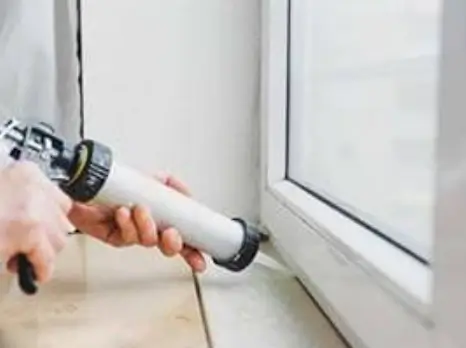
Silicone Sealants and Adhesives
Hydrophobic fumed silica is widely used in silicone-based sealants because silicone materials are generally moisture-sensitive.
It improves viscosity control, mechanical strength, and long-term stability while maintaining compatibility with silicone polymers.
Protective Coatings
In coatings exposed to humidity, water, or harsh environmental conditions, hydrophobic fumed silica provides improved moisture resistance.
It helps create protective films that reduce water penetration and enhance durability.
Electrical and Power Applications
Electrical systems often require materials that maintain performance under humid conditions.
Hydrophobic fumed silica improves insulation materials, protective compounds, and sealing systems by reducing moisture-related problems.
Hydrophilic vs Hydrophobic Fumed Silica: Key Differences
| Property | Hydrophilic Fumed Silica | Hydrophobic Fumed Silica |
|---|---|---|
| Surface nature | Water-attracting | Water-repelling |
| Surface groups | Contains hydroxyl groups | Modified with hydrophobic groups |
| Moisture interaction | High affinity for water | Low moisture absorption |
| Best compatibility | Polar and water-based systems | Organic and moisture-sensitive systems |
| Common uses | Water-based coatings, pharmaceuticals, construction | Sealants, silicone products, protective coatings |
Performance Comparison in Different Applications
In Coating Systems
Hydrophilic fumed silica is often preferred for water-based coatings because it disperses well in aqueous environments.
Hydrophobic fumed silica performs better in solvent-based coatings and protective systems where moisture resistance is important.
The correct selection improves coating stability, appearance, and durability.
In Adhesive Formulations
Adhesive manufacturers select silica type based on polymer chemistry.
Hydrophilic grades work effectively with polar adhesive systems, while hydrophobic grades provide better performance in silicone and organic-based adhesives.
In Moisture-Sensitive Environments
When materials must operate under humid or wet conditions, hydrophobic fumed silica is usually preferred because it prevents excessive water interaction.
This makes it suitable for outdoor coatings, electrical systems, and protective materials.
Factors to Consider When Selecting Fumed Silica
Application Environment
The surrounding conditions play an important role in silica selection. Products exposed to moisture, humidity, or water require different properties compared with dry environments.
Material Compatibility
The chemical nature of the base material determines which silica type performs better.
Manufacturers should evaluate whether their formulation is water-based, solvent-based, silicone-based, or polymer-based.
See also: Why Hiring an HR Lawyer Toronto Can Protect Your Business
Desired Performance
Different applications require different improvements, such as thickening, reinforcement, moisture resistance, or stability enhancement.
Understanding the final product requirements helps determine the correct silica choice.
Industries looking for guidance on material selection can explore more about hydrophilic vs hydrophobic fumed silica to understand how surface properties influence application performance.
Future Trends in Fumed Silica Development
As industries continue developing advanced materials, demand for customized fumed silica solutions is increasing. Manufacturers are focusing on improved surface treatments, better compatibility, and enhanced performance characteristics.
Future applications are expected to expand in areas such as renewable energy, advanced electronics, sustainable coatings, and high-performance composites.
The ability to customize fumed silica properties will allow industries to achieve better results while improving product efficiency and reliability.
FAQs
1. What is the main difference between hydrophilic and hydrophobic fumed silica?
The main difference is their interaction with water. Hydrophilic fumed silica attracts water, while hydrophobic fumed silica repels water due to surface modification.
2. Which type of fumed silica is better for moisture-resistant applications?
Hydrophobic fumed silica is generally better for moisture-resistant applications because it has lower water absorption and improved compatibility with non-polar materials.
3. Can hydrophilic fumed silica be converted into hydrophobic silica?
Yes, hydrophilic fumed silica can be chemically modified through surface treatment processes to create hydrophobic properties.
Conclusion
Understanding the difference between hydrophilic vs hydrophobic fumed silica is essential for selecting the right material for industrial applications. While hydrophilic fumed silica provides excellent performance in water-based and polar systems, hydrophobic fumed silica offers superior moisture resistance and compatibility with organic materials.
Both types provide valuable benefits, but their effectiveness depends on formulation requirements, environmental conditions, and desired performance outcomes. By selecting the appropriate fumed silica type, manufacturers can improve product stability, durability, and overall performance across a wide range of industries.